Get your Alberta home ready for winter with a room-by-room checklist covering outdoor water lines, furnace care, indoor humidity, and a few extra steps just for new-build owners.

The leaves are turning, the mornings are crisp, and if you’ve lived in Alberta for any length of time, you know winter won’t wait long. Fall is the best window to get your home ready for the cold. A weekend of prep now can prevent frozen pipes, water in the basement, and high heating bills later.
Whether you’ve been in your home for years or just picked up your keys from Homes by New Era, here’s what to check this fall.
Outside the Home
Shut off your outdoor water
Disconnect your garden hoses and close the shut-off valve for your outdoor tap — usually located inside the house, in the basement or utility area. Then open the outdoor tap to let any leftover water drain. Water left in the line can freeze, expand, and burst the pipe, often inside a wall where you won’t see it until there’s damage.
Clear your eavestroughs and downspouts
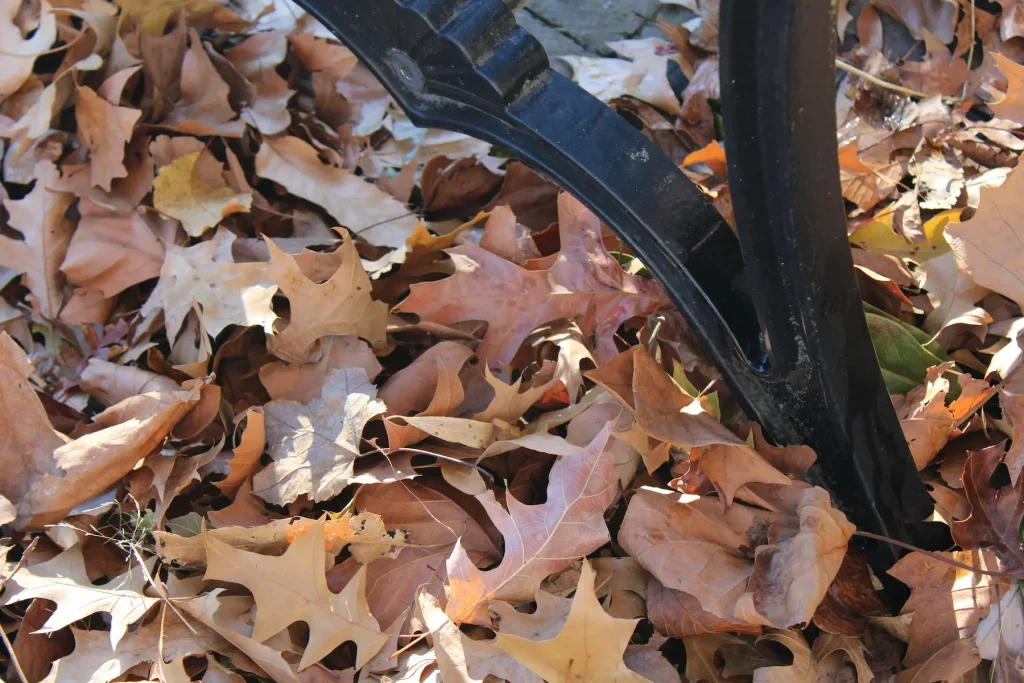
Fallen leaves and debris clog eavestroughs fast. When they overflow, water can pool against your foundation or freeze into ice dams on your roof. Clean them out and make sure every downspout points away from the house, ideally with an extension that carries water a good distance from the foundation.
Check the grading around your foundation
Walk around your home and look at how the ground slopes. It should slope away from the foundation so water drains away from the house. Settling is normal, especially in newer homes, so fill in any low spots or areas where the ground has sunk toward the house.
Test your sump pump
If your home has a sump pump, pour a bucket of water into the pit and make sure the pump turns on and discharges well away from the foundation. You want to know it works before spring melt, not during it.
Cover your AC unit
Turn off the power to your outdoor air conditioner at the disconnect and cover the top of the unit to keep out snow, ice, and debris.
Inspect your roof and siding
From the ground, look for missing shingles, loose flashing, or damaged siding. Small gaps let in moisture and cold air, and they’re easier to fix before the snow flies.
Prep your yard
Clean up garden beds, store patio furniture, and put away anything you don’t want buried under snow until April.
Inside the Home
Test your furnace
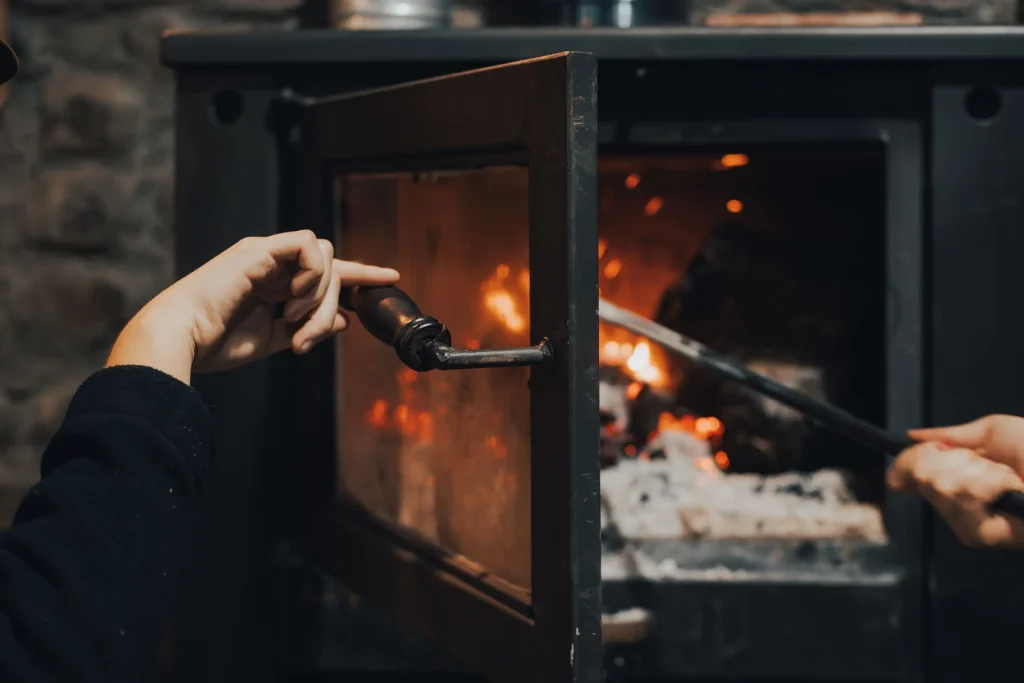
Turn on your heat before the first cold snap to make sure everything’s running properly. If you notice strange smells, unusual noises, or uneven heat, book a service call now, before technicians get busy.
Change your filters
Your furnace is about to run almost nonstop. A clean filter keeps air flowing, lowers your energy bills, and improves your air quality. While you’re at it, check and clean the filters on your:
- Furnace
- HRV (heat recovery ventilator)
- Humidifier
- Range hood
Vacuum your vents
Dust builds up in floor and wall vents over the summer. A quick vacuum helps air move freely and keeps dust from blowing around once the heat kicks on.
Maintain your hot water tank
Check your manufacturer’s recommended maintenance schedule. Many tanks benefit from being flushed regularly to clear out sediment, which helps them run efficiently and last longer.
Test your smoke and carbon monoxide detectors
With windows closed and the furnace running all winter, working detectors matter more than ever. Test each one and replace the batteries. Fall is an easy time to make this a yearly habit.
Seal Out the Cold
Check your weatherstripping
Look at the seals around your exterior doors and windows. If you can see light or feel a draft, it’s time to replace the weatherstripping. Don’t forget the door between your garage and your house — it should close fully and seal tight.
Look for gaps in your ductwork
If you have exposed ducts in your basement or utility room, check the joints for gaps and seal them if needed. Leaky ducts send heat where you don’t need it.
Keep an Eye on Your Humidity
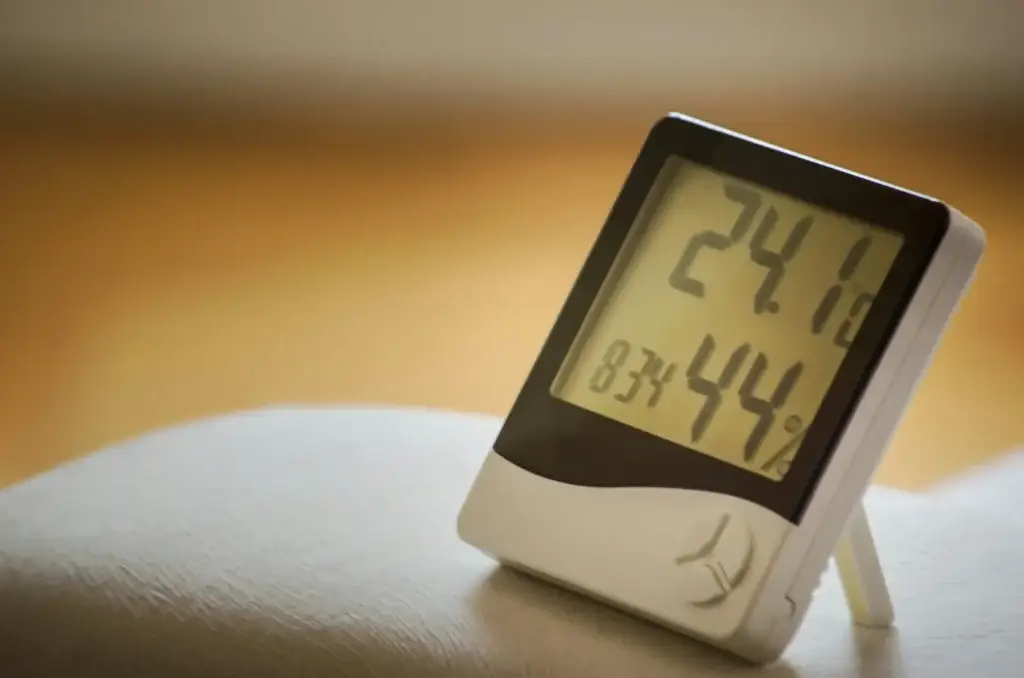
This is one of the most overlooked parts of winter home care in Alberta. When it’s cold outside, warm, moist air inside your home condenses on the coldest surfaces, usually your windows. That’s the frost or fog you see building up on the glass. Over time, too much moisture can lead to mould, damaged window frames, and stained drywall.
- Pick up an inexpensive hygrometer to monitor your levels
- Run your HRV and bathroom fans, especially after showers
- Use your range hood when cooking
- Turn down your humidifier as temperatures drop
- Keep blinds and curtains open a little so warm air can reach the glass
Recommended indoor humidity by outside temperature
Homes by New Era recommends the following maximum indoor humidity levels (measured at roughly 20°C inside):
- Pick up an inexpensive hygrometer to monitor your levels
- Run your HRV and bathroom fans, especially after showers
- Use your range hood when cooking
- Turn down your humidifier as temperatures drop
- Keep blinds and curtains open a little so warm air can reach the glass
Extra Tips for New Home Owners
Check your teleposts
Many new homes have adjustable steel support posts (teleposts) in the basement. As a new home settles and the lumber dries, these may need adjusting. Check your homeowner manual or contact your builder before making adjustments.
Keep your floor drains topped up
Floor drains have a trap that holds water to block sewer gas. If a drain doesn’t get used, the water can evaporate and you may notice a sewer smell. Pour a jug of water down each floor drain every few months.

A Little Prep Goes a Long Way
You don’t have to tackle everything in one day, but working through this list before the first hard freeze will help your home stay warm, efficient, and problem-free all winter. Bookmark this checklist and come back to it every fall.
Have questions about caring for your new home?
Our team at Homes by New Era is always happy to help. Contact us to connect with our team, or explore our communities in Edmonton, Spruce Grove, and Leduc.